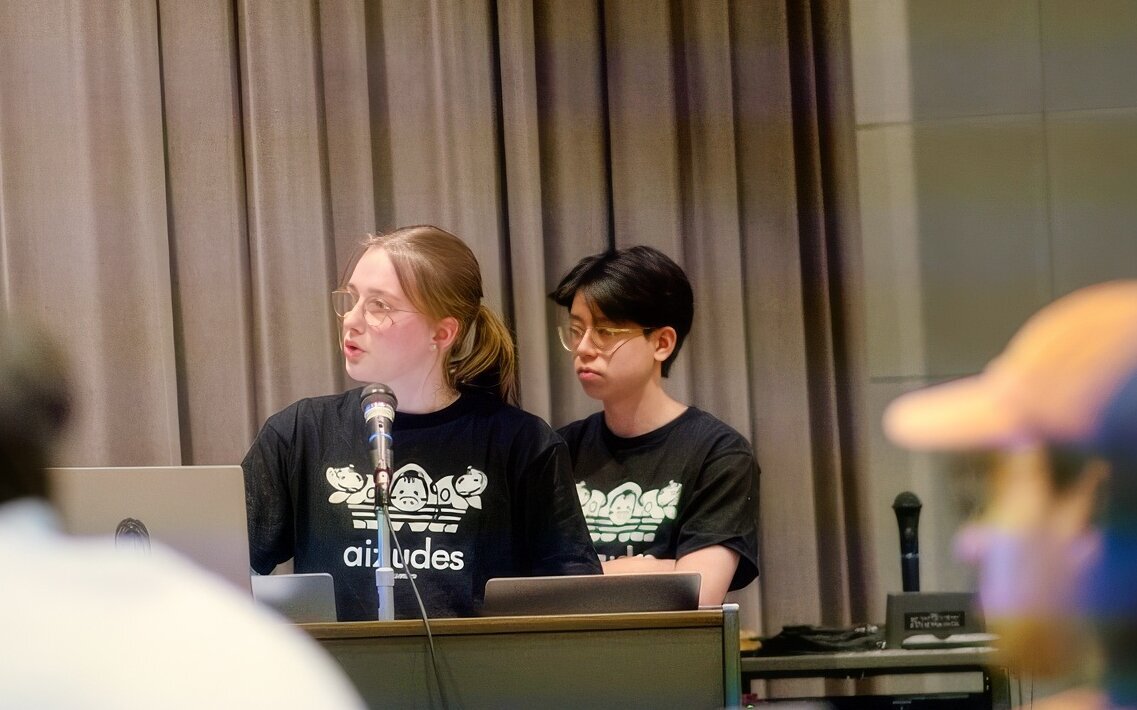
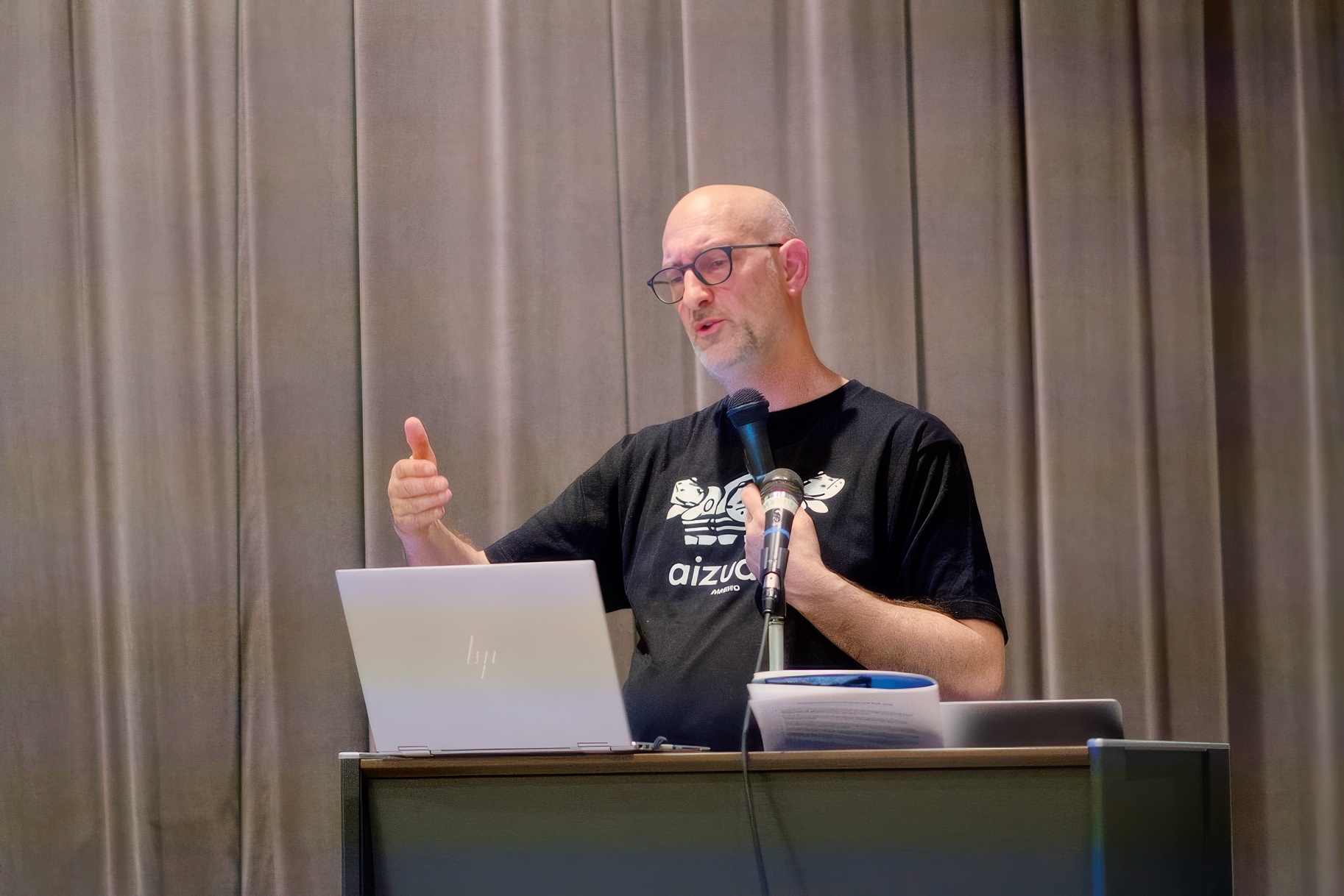
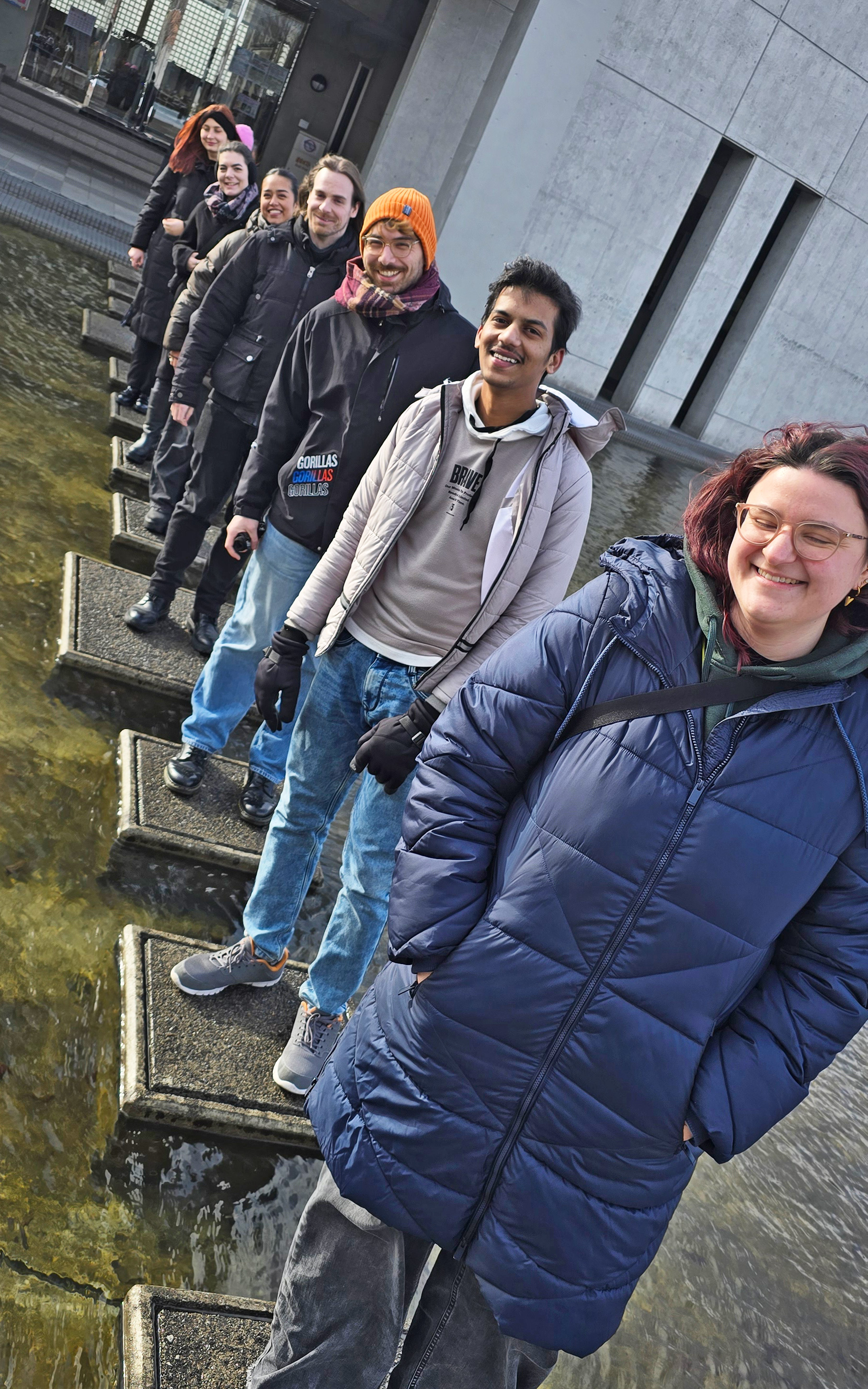
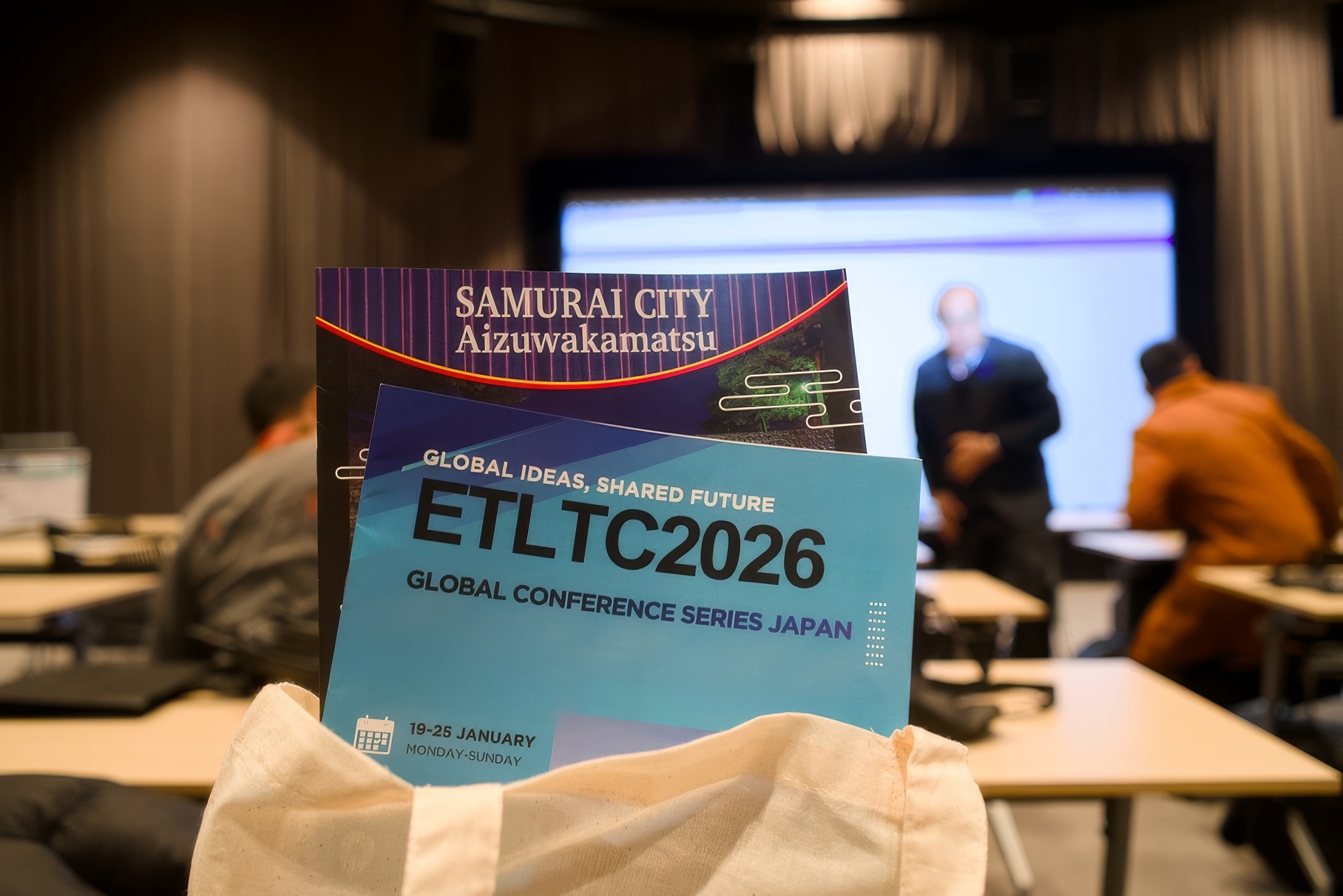
The students presented their research findings at the ETLTC ICETM Conference 2026 in Aizu-Wakamatsu. The seven-day conference brings together researchers from around the world each year to present and discuss current developments in the field of technical education.
In addition to the lectures, the poster sessions featuring students from Aizu University and Karlsruhe University of Applied Sciences were an exciting part of the conference. The students presented their projects and engaged in in-depth professional discussions with international conference participants.
During the session on Technical Communication, Prof. Ziegler introduced the topic: AI-Powered Analytics in Technical Communication: Advancing Information Management toward Content Data Science. Afterwards, the student teams presented the following contributions and yet-to-be-published papers:
- ETLTC-ICETM 55: Content Reuse Analytics and AI Readiness of Content in the Domain for Maritime Product Component Supplier – Jasmina Behabetz, Nadine Gatzke
- ETLTC-ICETM 56: Semantic Information Architectures and Topic Ensemble Properties in AI Delivery of Product Information in the Domain of Water Treatment – Marlene Groß, Naomie Heck
- ETLTC-ICETM 57: A Comparison of Information Architectures of Software Documentation in RAG-Based Delivery Scenarios – Julian Muschinski, Julian Reiling, Rika Westenhoff
- ETLTC-ICETM 58: Content and AI-Delivery Analytics of Semantically Enriched Content in Engine Manufacturing – Elisabeth Schardt, Gia Long Nguyen
- ETLTC-ICETM 59: From Flat to Immersive: A Comparative Exploration of 2D and 3D Educational Reels on Social Platforms – Erik Franzusow
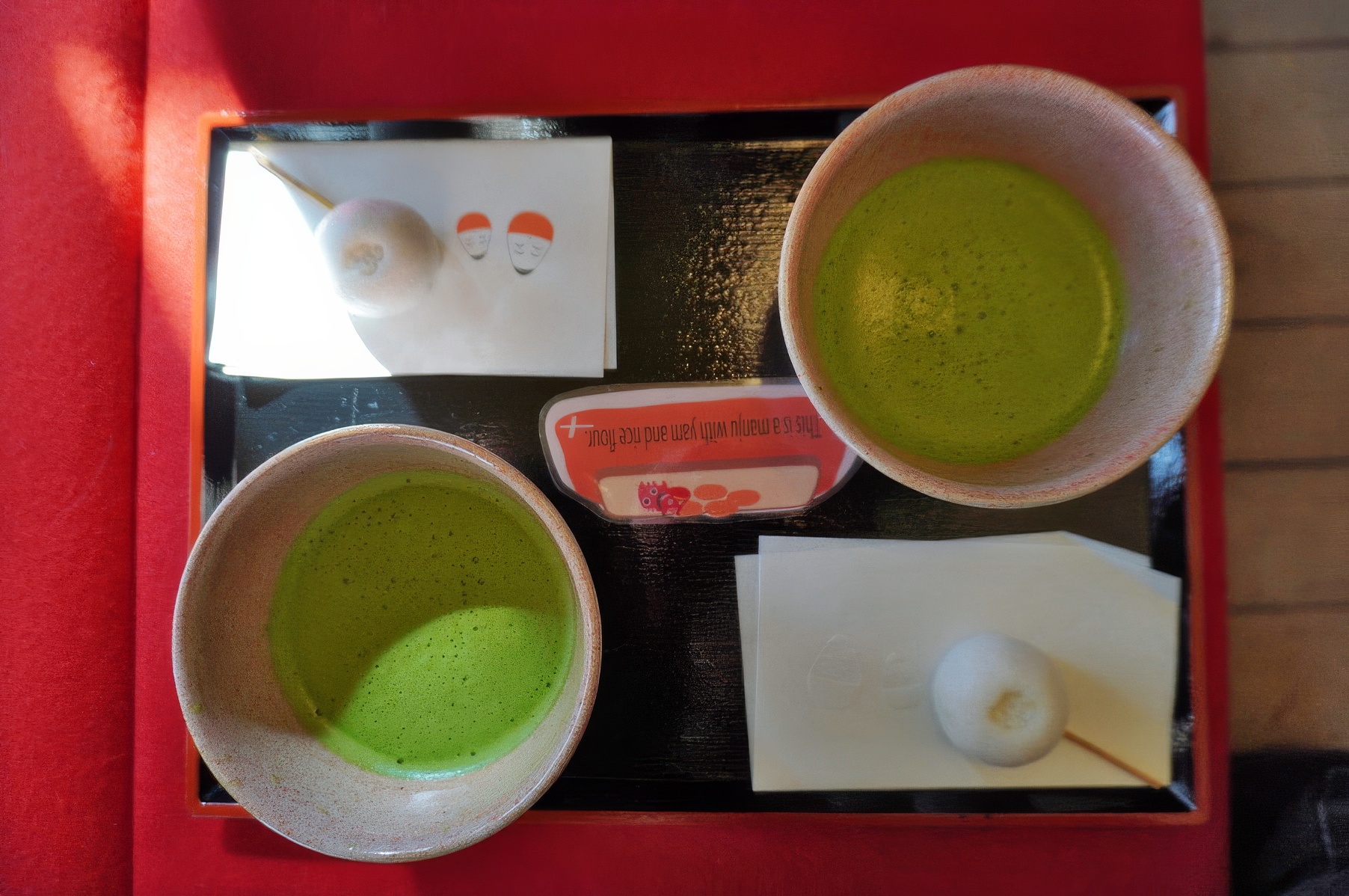
In addition to the conference program, there was also time to explore the culture of Aizu-Wakamatsu. The course participants visited Sazaedo Temple and Tsuruga Castle, which is considered one of the last samurai fortresses. The group also visited a traditional Japanese tea house, where they enjoyed matcha and mochi.
The personal exchanges with the international students on site were particularly enriching. In addition to professional discussions, there were many cultural encounters, including sharing sweets and spending evenings together in Japanese izakayas. The trip thus became both a scientific and intercultural experience filled with wonderful memories.